Need tree removal in Harrison?
Ready to compare options? Request an estimate or ask a question. A local provider in our network can follow up with the details of your tree job.
No obligation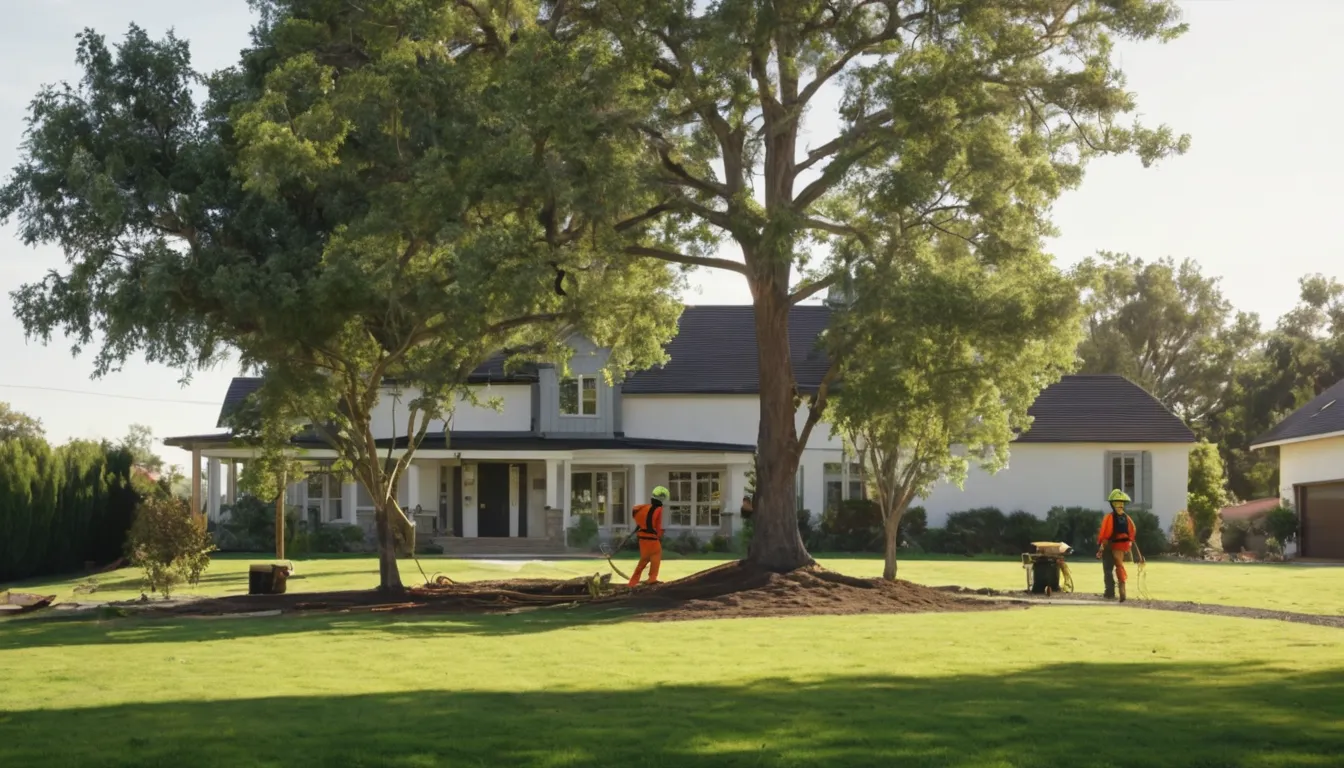
Compare estimates at your own pace
A lot of people think tree removal means one rushed decision and one big bill. In practice, it is a job you can plan. Anglebenefits Tree Service is a referral service that connects homeowners in the Harrison area with independent local providers. The provider does the work. You compare, then decide.
Some trees need attention quickly, like a cracked trunk or a heavy lean over the house. Others can wait for the right season. Either way, ask questions, get a written quote and take your time. There is no obligation to hire anyone you hear from, and you stay in charge of the choice.
A lot of people think tree removal is a big, scary choice that has to be made in one afternoon. In practice, though, most jobs begin with a simple question. Is this tree a real risk, or just a worry? Anglebenefits Tree Service is a referral service. It connects homeowners in the Harrison area with independent local providers. The provider does the work, and you decide.
Many people believe a leafy tree is a safe tree. Not always. A tree can look full on top while the trunk is hollow or the roots are rotting. Cold winters with deep frost and soggy spring ground can wear on roots over the years. A provider can check the base, the trunk and the branches and tell you what they see.
The reasons are usually practical:
Some signs should not sit for months. Look for fresh cracks in the trunk, soil lifting at the base, a new lean after a storm, or big branches that have snapped but are still hanging. If a tree has landed on a home or touches a power line, stay back and keep everyone away. Contact the utility about lines. A tree falling service or storm tree clearance provider can then help with the tree itself.
A common belief says to wait for winter because prices drop. In practice, it depends. Frozen ground can protect a lawn from heavy gear, which helps. But deep frost, snow and ice can also slow access and make climbing harder. Spring flooding leaves soft ground that ruts easily. Summer thunderstorms and hail fill provider schedules. Fall is a calm time to plan, so many homeowners compare estimates then.
The steps are simple. A provider looks at the tree and the space around it. They plan where pieces will fall or be lowered. A climber or a lift takes the tree down in sections, and the crew lowers heavy limbs on ropes. Then the pieces are cut, hauled and the area is raked. Ask each provider to describe their plan in plain words.
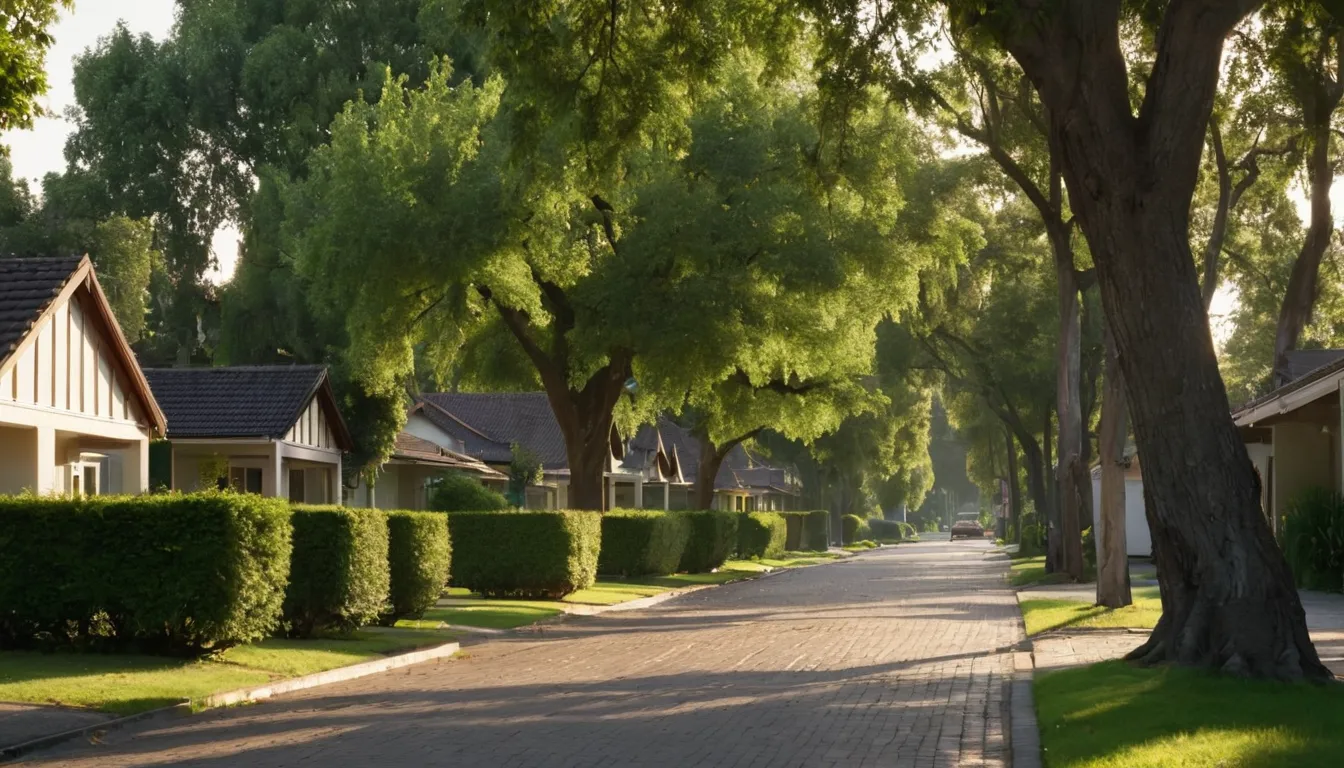
Many older frame houses and bungalows sit close to fences, wires and neighbors. A tight lot may call for careful climbing and roping. A bucket truck can reach high limbs faster. A crane helps when a tree leans over a roof and cannot be dropped safely. The method changes the price, so ask why a provider picked it.
No two trees cost the same. These things matter most:
A low number can hide missing pieces. Maybe cleanup is not included. Maybe the stump is left. Compare, then decide. Ask for a written quote that lists the work, the haul-away and any extras. Set two or three side by side. The clearest one is often the easiest to trust.
Some cities require a permit for large trees, protected species or trees near the street. Homeowner associations may have rules too. Power lines add another layer, since only utility crews work near live wires. Check with your local city office, and ask each provider what they know about local rules. Then confirm it yourself.
Ask before you commit. Good questions are short:
Providers in our network are independent, and each sets its own terms. Licensing rules vary by area, so ask what applies.
Preparing takes a few minutes. Move cars from the driveway and street. Clear toys, planters and patio chairs from the work zone. Keep kids and pets indoors. Point out buried items like sprinkler lines. Tell the provider about any basement windows or sump discharge pipes nearby so they can steer around them.
Look over the yard with the provider before they leave. Check for ruts, damaged fencing and leftover branches. Decide what to do with the wood: stack it, chip it or haul it away. Ask about the stump, since it stays unless you add that work. Many homeowners replant in fall or spring. If damage happened, providers can often help document it for a claim. Some policies may cover sudden damage, so check your policy.
You do not have to rush. Request a callback to check provider availability, or send a request and see what comes back.
A provider checks the trunk, roots and branches and explains what they see in plain words.
Trees come down in controlled sections using climbing, lifts or cranes, based on the space around your home.
Ask whether branches, logs and sawdust are removed, so the written quote shows everything included.
Compare clear, itemized quotes from independent providers with no obligation to hire any of them.
These are typical U.S. ranges, and real prices vary by tree, access and local rates. Use them as a rough guide, then get a written quote from each provider before you decide.
| Job type | Typical range | Notes |
|---|---|---|
| Small tree (under 30 ft) | $150 – $500 | Easy access and light cleanup keep costs down |
| Medium tree (30–60 ft) | $400 – $1,200 | Price rises near roofs, fences or wires |
| Large tree (over 60 ft) | $1,000 – $3,000 | May need a crane or bucket truck |
| Dead or storm-damaged tree | $500 – $3,500 | Brittle wood and tight spots raise the effort |
| Crane add-on | $500 – $2,000 | Used when a tree cannot be dropped safely |
| Haul-away of wood | $100 – $400 | Some quotes include it, others list it apart |
Tell us about the tree, its location and any worries, using the request form.
Independent local providers in our network can reach out to discuss your tree.
Review the scope, cleanup and price details from each provider, then ask follow-up questions.
Pick the provider you trust and agree on a date that works for you.
Look at several written estimates side by side before you pick a provider.
Ask questions and take your time. Nothing obliges you to hire.
Independent providers know how weather and housing styles shape work in your area.
Clear steps, simple words and honest ranges help you decide with confidence.
Ready to compare options? Request an estimate or ask a question. A local provider in our network can follow up with the details of your tree job.
No obligationTypical U.S. prices run from about $150 for a small tree to $3,000 or more for a large one. Height, access, tree health and cleanup all change the total, so get a written quote.
It depends on your city. Some places require permits for large, protected or street-side trees. Homeowner associations may add rules. Check with your local city office and ask providers what they know.
There is no single answer. Winter ground can be firm, but frost and snow slow access. Fall is often calm for planning. Dangerous trees should not wait, whatever the season.
Ready to compare options? Request an estimate or ask a question. A local provider in our network can follow up with the details of your tree job.
No obligation