Need stump grinding in Harrison?
Ready to compare options? Request an estimate or ask a question. A local provider in our network can follow up with the details of your tree job.
No obligation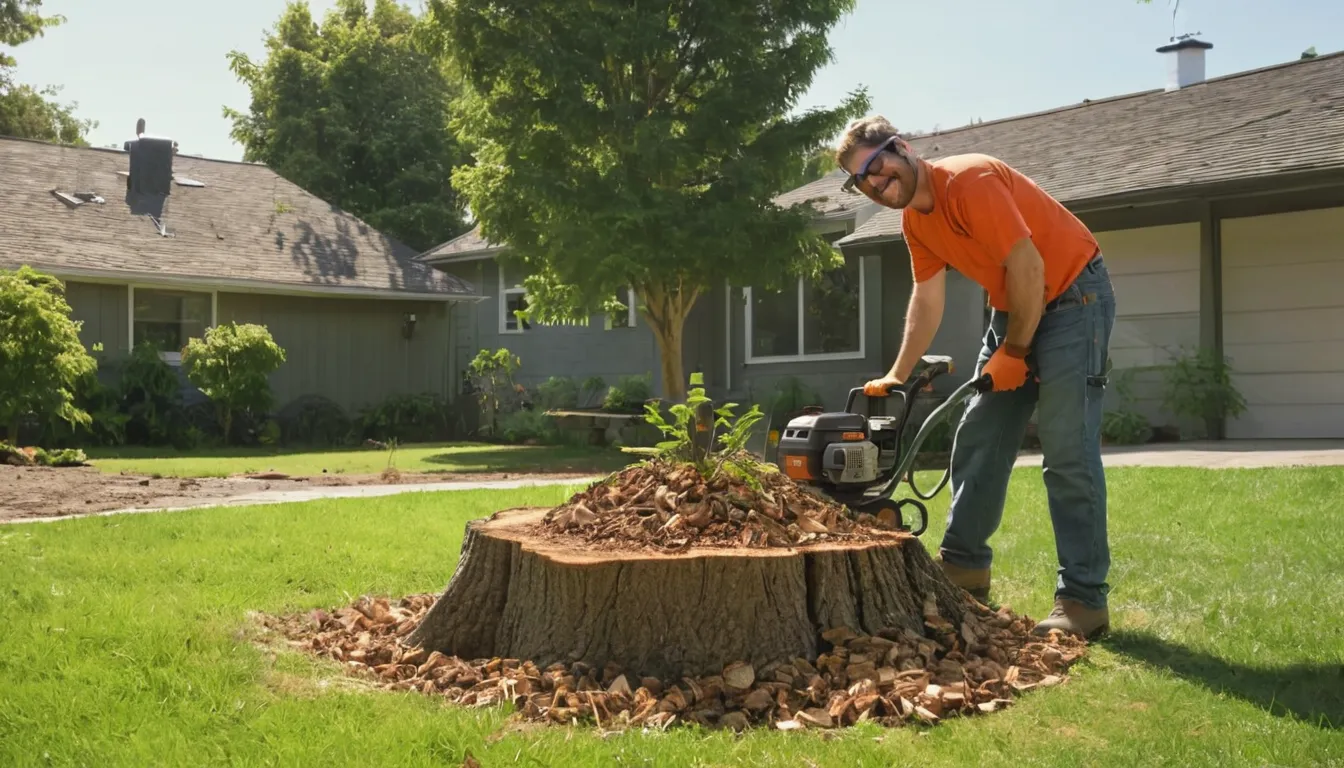
Request a stump grinding estimate
Most people assume a leftover stump will rot away in a season or two. In practice, though, it can sit in the yard for many years. It trips kids, dulls mower blades and sends up stubborn sprouts. Stump grinding is the common fix. A local provider brings a grinder, chews the wood down below the lawn line, and leaves a pile of chips.
Anglebenefits Tree Service is a referral service. It connects homeowners in Harrison and the Harrison area with independent providers who do the grinding. Request an estimate, compare what each provider says, and ask plain questions. There is no obligation and no pressure to say yes. Ask before you commit.
A lot of people think a stump will fade away by itself. In practice, though, many stumps stay put for years. Grinding is the usual way to deal with one. A local provider in the Harrison area runs a machine that chews the wood down below the lawn line.
This page covers what is true, what is folklore, and what to ask. Compare, then decide.
Rot is slow. Cold winters with deep frost slow it even more. A big hardwood stump can last ten years or longer. All that time, it sits in your mowing path.
It looks harmless. Yet hot, humid summers speed up fungus and bugs in decaying wood. On an older frame house, you may not want that near the walls. Ask the provider what they see in your yard.
The provider rolls a grinder up to the stump. A spinning wheel with hard steel teeth sweeps side to side. It cuts the wood into chips, a little at a time.
Most jobs go several inches below ground level. Some go deeper if you plan to plant there. Say what you want before the work starts.
It does not. The grinder takes the stump and the thick roots near the top. Deeper roots stay and slowly break down. If you want a new tree in the same spot, tell the provider.
People often treat these as the same job. They are not.
For most yards, grinding is enough. Full removal can make sense under a building pad or a pool. Ask for both quotes, then decide.
Severe thunderstorms and hail can bring a tree down. The tree comes first. That is a job for emergency tree removal or storm tree clearance, and the stump comes later. Once the area is safe and cleared, ask a provider about grinding what is left.
The job sets the price, not just the stump. Providers look at:
A written quote should list each item. Get two or three and compare them side by side.
Some people think grinding is only a summer job. In practice, it depends on the ground.
A little prep keeps the visit smooth.
Providers usually have buried utilities marked before digging near them. Ask who handles that.
Many homes have an old stump from a tree cut down years ago. Good news: older wood can be softer. But it can hide rocks, nails, wire or old fence parts. Point out anything you remember. Surprises can slow the job.
They are. Old stumps still catch mowers and feed pests. They can also hold up a patio or shed plan.
You will have a mound of chips and a shallow dip. You have a few choices.
Keep an eye on low spots. With full basements and sump pumps, you want water running away from the house, not toward it.
Ask before you commit. A good provider answers plainly.
There is no rush to pick the first quote. Gather a few, read them closely, and choose what fits your yard and budget.
A grinder cuts the stump into chips below the lawn line, so the yard stays flat.
Providers can often grind thick roots that stick up, which helps with mowing and trip hazards.
Ask whether chips are left as mulch, spread around the yard, or hauled away.
Each provider sets its own price after seeing the stump, so you can compare clear numbers.
These are typical U.S. ranges. Your price depends on stump size, wood type, access and location. Ask each provider for a written quote before you agree to any work.
| Item | Typical range | Notes |
|---|---|---|
| Small stump (under 12 inches) | $100 – $250 | Often the quickest and easiest type of job |
| Medium stump (12 to 24 inches) | $150 – $400 | Most common in home yards |
| Large stump (over 24 inches) | $300 – $800 | More wood and more time on the machine |
| Several stumps in one visit | $75 – $300 each | Per-stump price may drop when stumps are close together |
| Extra root grinding | $50 – $200 | Depends on how many roots rise above the soil |
| Chip haul-away | $50 – $150 | Optional; many people keep the chips for mulch |
Tell us how many stumps you have, about how wide they are, and where they sit.
A local provider from the network gets in touch to talk through your yard.
Look at price, depth, cleanup and timing side by side before you decide.
Pick a provider and agree on a date that suits the season and your ground.
Request an estimate, read what each provider offers, and pick the one that fits your yard.
Local providers do the work. Anglebenefits Tree Service only connects you.
You can ask questions and say no at any point.
Ask about depth, roots and cleanup, and get clear replies.
Ready to compare options? Request an estimate or ask a question. A local provider in our network can follow up with the details of your tree job.
No obligationMany average stumps take a short visit, often under a couple of hours. Large stumps, hard wood, or several stumps take longer. The provider can give a better idea after seeing the size and access.
Some species send up new sprouts from leftover roots, but grinding below ground makes this much less likely. Pull or cut any small sprouts early. Ask the provider about the tree type in your yard.
Often yes. Tell the provider your plan first so they grind deep enough. Fill the hole with topsoil and pack it down. For a new tree, many people pick a spot slightly to the side.
Ready to compare options? Request an estimate or ask a question. A local provider in our network can follow up with the details of your tree job.
No obligation